
"Sri Lanka coffee"
400 article(s) found

Introduction of Arabica Coffee Manor in Indonesia Coffee Flavor Manor
In the 17th century, the Dutch first introduced Arabica saplings to Ceylon (present-day Sri Lanka) and Indonesia. In 1877, a large-scale disaster hit the Indonesian islands, coffee rust destroyed almost all the coffee trees, people had to give up Arabica, which had been in operation for many years, and introduced the disease-resistant Robusta coffee tree from Africa. And Sue

The inaugural meeting of the Asian Coffee Association will be held in Mangshi, Yunnan Province.
Exchange of professional baristas Please follow the coffee workshop (official Wechat account cafe_style) Yunnan coffee farmers are being trained on how to integrate Yunnan coffee industry into the world coffee pattern? How can local farmers get more income and development? On August 29, Yunnan Network learned from the Yunnan Coffee Industry Association that recently, the preparatory group of the Asian Coffee Association issued a message in Kunming that the association was established.

Mantenin micro-acid mixed with the strongest aroma of Asian boutique coffee Mantenin flavor
Mantenin's leaping acid mixes with the richest aroma, making your relaxed body manning coffee lively in a mild fragrance, and its outstanding taste captivates many suitors. In the 17th century, the Dutch introduced Arabica seedlings to Ceylon (present-day Sri Lanka) and Indonesia. In 1877, a large-scale disaster struck Indonesia

Sumatra Manning Arabica coffee beans
One of the most famous and most needed coffee in Asia. The appearance of Mandarin beans is arguably the ugliest, but coffee fans say that the more ugly the Sumatran coffee beans are, the better, mellow and slippery they are. In the 17th century, the Dutch first introduced Arabica saplings to Ceylon (present-day Sri Lanka) and Indonesia. In 1877, a massive disaster struck Indonesia.
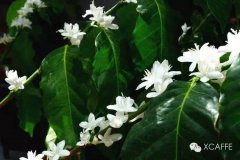
Coffee produced in Indonesia generally does not have the name "Indonesia", but directly bears the name of the island, such as Java.
Among the Asian coffee-producing countries, Indonesia is a very noteworthy one. Indonesia is an island country in the Indian Ocean, the islands are distributed on both sides of the equatorial line, of which three islands: Java, Sumatra and Sulawesi produce the world's important coffee. In the mid-17th century, the Dutch brought coffee trees to Ceylon (Sri Lanka) and Java, Indonesia. India in the 18th century

Indonesian boutique coffee beans Mantenin boutique coffee
Mantenin's leaping acid mixes with the richest aroma, giving you an easy taste of the lively factor in a mild fragrance, and its outstanding taste captivates many suitors. In the 17th century, the Dutch introduced Arabica seedlings to Ceylon (present-day Sri Lanka) and Indonesia. In 1877, a large-scale disaster hit the Indonesian islands, and coffee rust destroyed several

Rich taste of Indonesia Manning Coffee Manor characteristics of boutique coffee beans introduction
Mantenin's leaping acid mixes with the richest aroma, giving you a relaxed body flavor to a lively factor in a mild fragrance, and its outstanding taste captivates many suitors. In the 17th century, the Dutch introduced Arabica seedlings to Ceylon (present-day Sri Lanka) and Indonesia. In 1877, a large-scale disaster hit the Indonesian islands, and coffee rust destroyed.

A brief introduction to Fine Coffee-- the Flavor characteristics of Java Coffee
Among the Asian coffee-producing countries, Indonesia is a very noteworthy one. Indonesia is an island country in the Indian Ocean, the islands are distributed on both sides of the equatorial line, of which three islands: Java, Sumatra and Sulawesi produce the world's important coffee. In the mid-17th century, the Dutch brought coffee trees to Ceylon (Sri Lanka) and Java, Indonesia. Indonesia in the 18th century

Boutique coffee recommends "the most expensive coffee" in Japan
Coffee first entered Japan, brought by Dutch missionaries and merchants around 1630, when the Dutch desperately promoted coffee to their Asian colonies of Sri Lanka and Java, India. But the Japanese don't accept this weird drink at all. It was not until the Meiji Restoration that Japanese society began to learn from the West that people gradually accepted the advanced West.

Introduction to Indonesian Manning Coffee with strong flavor, fragrant, bitter and mellow
In the 17th century, the Dutch first introduced Arabica saplings to Ceylon (present-day Sri Lanka) and Indonesia. In 1877, a large-scale disaster hit the Indonesian islands, coffee rust destroyed almost all the coffee trees, people had to give up Arabica, which had been in operation for many years, and introduced the disease-resistant Robusta coffee tree from Africa. Today's

Share the story of Huang Wei, a famous Chinese coffee roaster.
As an imported product from the West, it is not easy for coffee to give birth to a coffee master in China. Our protagonist today is Huang Wei, who learned cocoa processing technology and coffee roasting equipment and production technology during his participation in the construction of a cocoa processing plant assisted by China in Ghana in Africa. After returning to China in 2001, due to work related to Chinese coffee growers in Yunnan, and so on.

The Development History of Coffee Culture in Japan
Coffee first entered Japan, brought by Dutch missionaries and merchants around 1630, when the Dutch desperately promoted coffee to their Asian colonies of Sri Lanka and Java, India. But the Japanese don't accept this weird drink at all. It was not until the Meiji Restoration that Japanese society began to learn from the West that people gradually accepted the advanced West.

Introduction of boutique coffee beans details of the latest flavor of Java coffee
Among the Asian coffee-producing countries, Indonesia is a very noteworthy one. Indonesia is an island country in the Indian Ocean, the islands are distributed on both sides of the equatorial line, of which three islands: Java, Sumatra and Sulawesi produce the world's important coffee. In the mid-17th century, the Dutch brought coffee trees to Ceylon (Sri Lanka) and Java, Indonesia. India in the 18th century

Mantenin coffee beans with the strongest aroma introduce boutique coffee
Mantenin's leaping acid mixes with the richest aroma, making your relaxed body manning coffee lively in a mild fragrance, and its outstanding taste captivates many suitors. In the 17th century, the Dutch introduced Arabica seedlings to Ceylon (present-day Sri Lanka) and Indonesia. In 1877, a large-scale disaster struck Indonesia
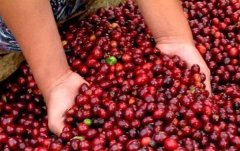
Introduction to Java quality Coffee in Indonesia the taste characteristics of Java boutique coffee
Among the Asian coffee-producing countries, Indonesia is a very noteworthy one. Indonesia is an island country in the Indian Ocean, the islands are distributed on both sides of the equatorial line, of which three islands: Java, Sumatra and Sulawesi produce the world's important coffee. In the mid-17th century, the Dutch brought coffee trees to Ceylon (Sri Lanka) and Java, Indonesia. Indonesia in the 18th century

Golden Manning Coffee Flavor description Variety introduction of taste treatment method in manor producing area
Golden Manning Coffee Flavor description manor area taste treatment Variety introduction in the 17th century, the Dutch first introduced Arabica saplings to Ceylon (present-day Sri Lanka) and Indonesia. In 1877, a large-scale disaster hit the Indonesian islands. Coffee rust destroyed almost all coffee trees and people had to give up Arabica, which had been in operation for many years.

The pronunciation of coffee around the world
Have you ever thought about how coffee is pronounced in different countries? Let's learn the pronunciation of coffee in some of the following countries. Afrikaans: koffie (coffee) Albania: kafe (pronounced KA-fey) Amharic: sodium butadiene rubber (pronounced boona) Arabic: qahioa qahua or qahwe (Q's throat, obviously low voice, which sounds more like together (for example) Fei A
Coffee visit in Southeast Asia-- Indonesian Coffee
Indonesia has always been one of the best coffee producers in the world. Java coffee used to be synonymous with top coffee, while Sumatra and Sulawesi are also rich in top coffee. Coffee was introduced by the Dutch in the 17th century, when Ceylon (Sri Lanka) began to grow coffee, all Arabica coffee. At that time, this kind of coffee was only for Europe, and it had to be transported by sailing for a long time.
Coffee Culture of Sumatra Manning Coffee
Manning coffee is full of slight acid, mixed with the richest aroma, making it very easy to appreciate the lively factors in the mild and rich flavor. It confuses many suitors with its outstanding taste. The Dutch first introduced Arabica saplings to Ceylon and Indonesia in the 17th century. Ceylon is what is now Sri Lanka. In 1877, a massive disaster struck.

Sumatra Mantenin boutique coffee bean recommendation
One of the most famous and most needed coffee in Asia. The appearance of Mandarin beans is arguably the ugliest, but coffee fans say that the more ugly the Sumatran coffee beans are, the better, mellow and slippery they are. In the 17th century, the Dutch first introduced Arabica saplings to Ceylon (present-day Sri Lanka) and Indonesia. In 1877, a massive disaster struck Indonesia.